How to Choose an Industrial Alarm, Siren or Warning Light
Choose industrial warning equipment by the required alert method, power supply, control method, installation environment and documented model data—not by sound level alone.
Start with the warning job
An industrial alarm should be selected for a defined job: notify people nearby, provide a visible machine-status signal, cover a larger outdoor area, or remain usable when mains power is unavailable. Audible-only, visual-only and combined sound-light products solve different problems. A combined alarm can improve noticeability, but it does not automatically provide the right coverage for every site. Before comparing models, record who must receive the warning, where they are located, background noise, line of sight, indoor or outdoor use, activation method and available power. These project facts are more useful than selecting the largest published decibel figure.
- ✓Audible, visual or combined warning
- ✓People, machinery or area notification
- ✓Indoor, sheltered outdoor or exposed installation
- ✓Manual, wired or wireless activation
Match power and control before sound output
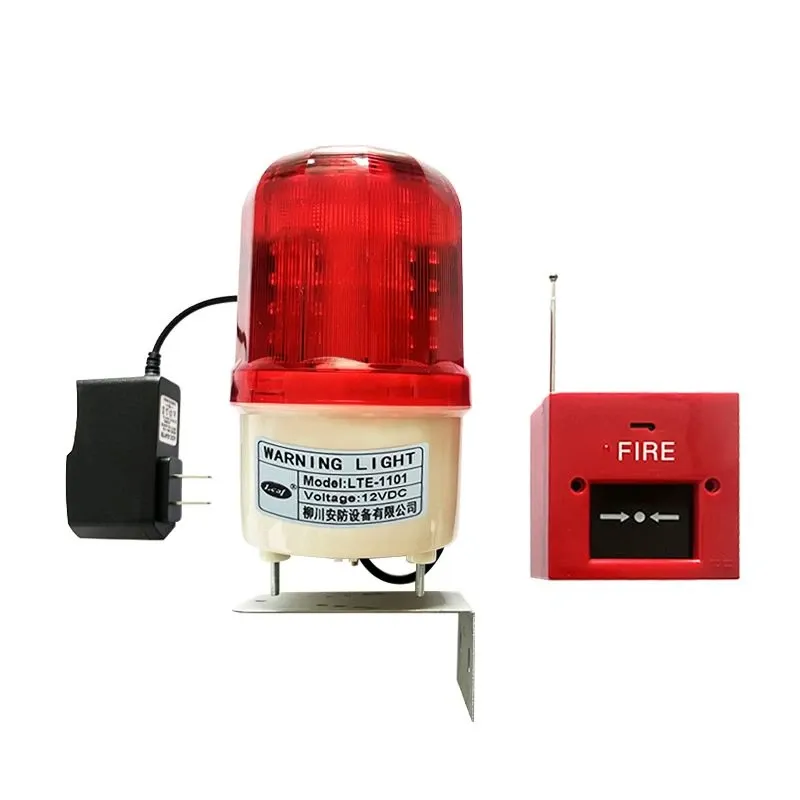
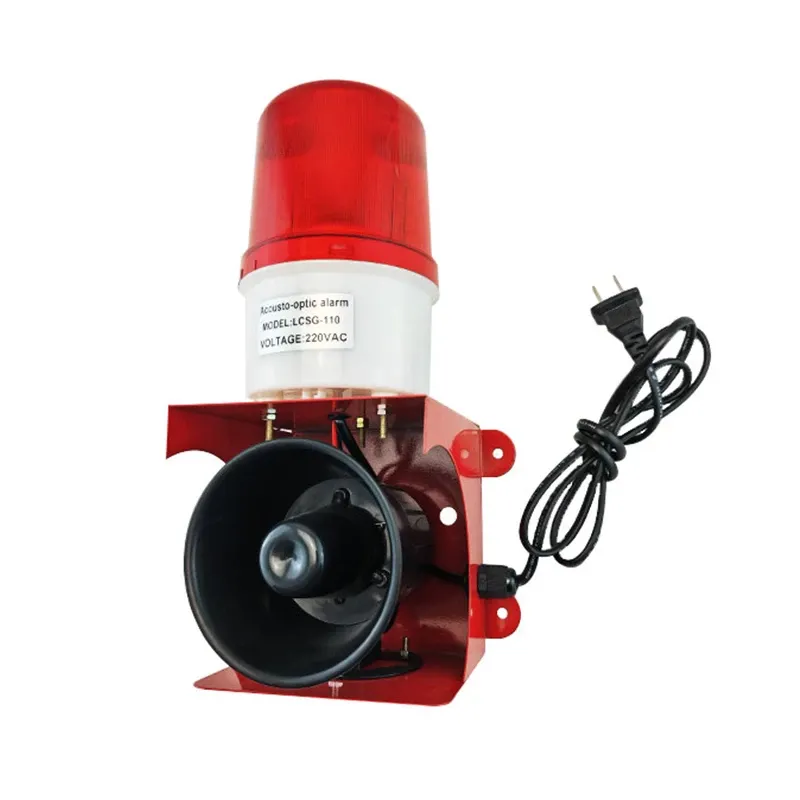
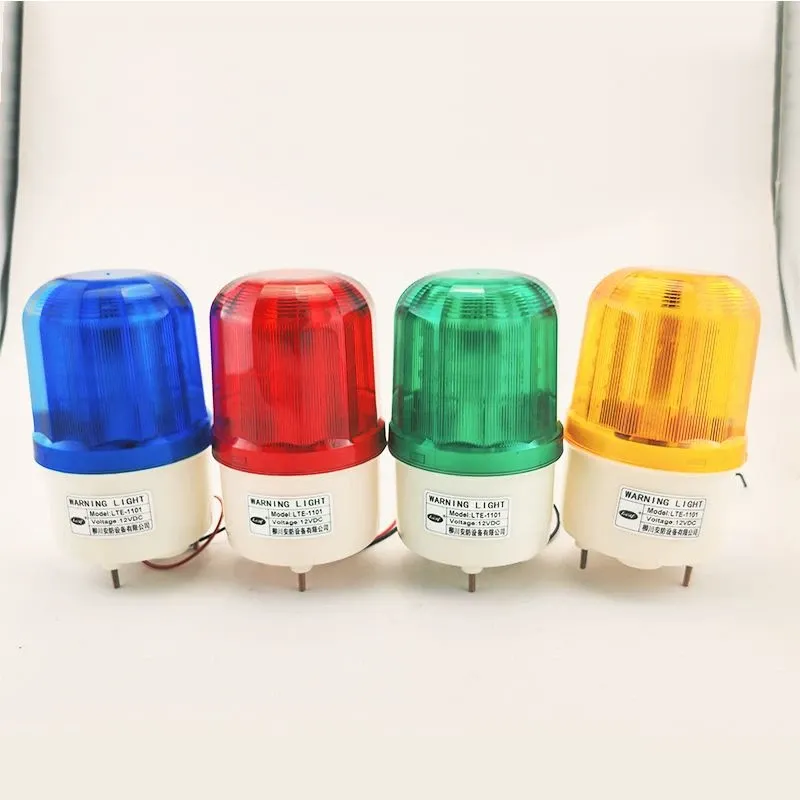
Confirm the actual site voltage and control signal before ordering. The reviewed LCSG-11 wireless models use AC 220V and distinguish standard wireless linkage from a rechargeable configuration. The LCBJ-19 family also includes plug-in, wireless and backup-battery combinations. The LTE-1101 warning light is a light-body platform used in different assemblies, so the complete kit model must be specified rather than assuming every accessory is included. Wireless range, radio frequency and the maximum number of linked units should be confirmed for the actual layout. Walls, machinery and local radio conditions can affect performance. A rechargeable or backup-battery configuration also requires confirmation of battery type, charging method and operating duration because those details are not complete on every legacy page.
- ✓Confirm supply voltage and frequency
- ✓Define wired, wireless or local manual control
- ✓List every accessory expected in the kit
- ✓Confirm backup duration when continuity matters
Read sound figures with their test conditions
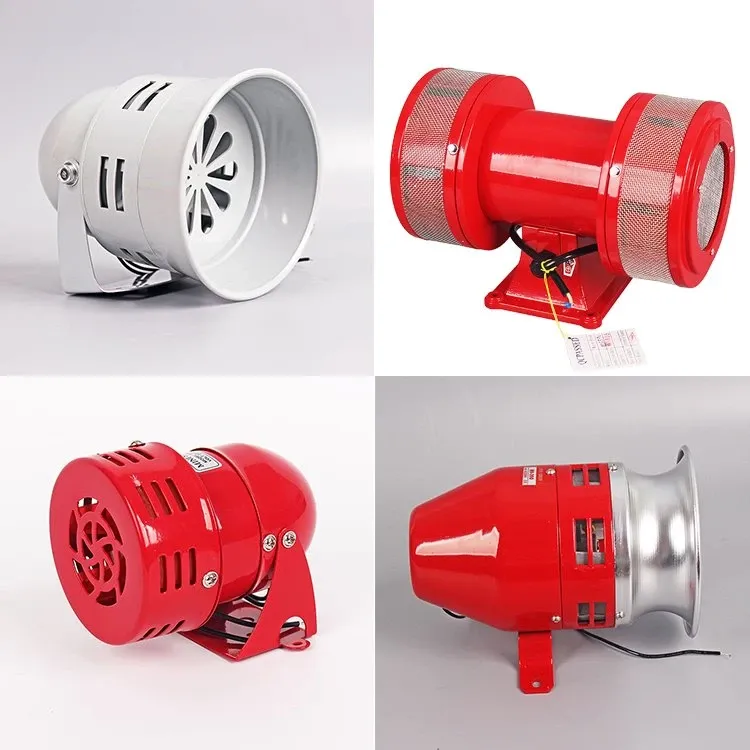
A decibel value is not complete without a measurement distance and test condition. The reviewed MS motor-siren catalog separates models and lists different sound-pressure figures, but the measurement distance is not stated. The LCSG and LCBJ legacy material also publishes sound figures without complete site-performance data. Those values can support model comparison within the same source; they should not be converted into a fixed coverage radius. For a project, request the sound level at a stated distance, operating voltage, duty cycle and installation arrangement. Large outdoor coverage also depends on obstacles, mounting height, wind and background noise. Where hearing protection is used or noise is continuous, combine audible warning with visible indication and follow the applicable workplace rules.
- ✓Ask for measurement distance
- ✓Do not convert dB directly into coverage radius
- ✓Confirm continuous or intermittent duty
- ✓Use visible warning where sound may be masked
Choose the product family by operating scenario
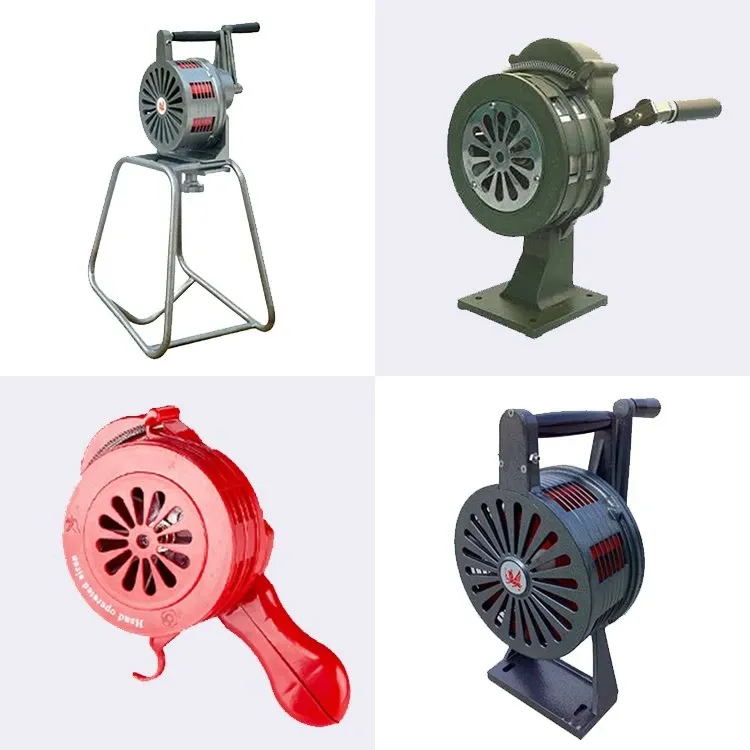
Sound-light alarms suit locations that need simultaneous audible and visible notification. Motor sirens suit strong audible warning where electrical power and mounting are available. Hand-crank sirens provide manual operation without an electrical supply and can support emergency or temporary use, but the operator, crank speed and installation still affect output. Rotating or beacon lights are appropriate for machine status, vehicles and locations where a visual signal is primary. These categories may be combined in one project. The purchase specification should name the exact model, voltage, control method, mounting hardware, color and expected accessories. Product-family names alone are not sufficient because similar housings can have different power, control or backup configurations.
- ✓Sound-light alarm: combined notice
- ✓Motor siren: powered strong audible warning
- ✓Hand-crank siren: manual emergency operation
- ✓Warning light: visual status or hazard signal
Information to send with an inquiry
A useful inquiry allows the supplier to check configuration instead of guessing. Include the destination country, application, indoor or outdoor environment, supply voltage, desired activation method, estimated quantity, target delivery date and customization needs. If a drawing or existing product is being replaced, attach photos, wiring information and dimensions. Ask the quotation to separate confirmed product data from options that still require engineering or sample confirmation. Certification, ingress protection, wireless range, continuous duty, MOQ and lead time should only be treated as agreed when they are linked to the quoted model and order terms.
- ✓Country and application
- ✓Voltage and activation method
- ✓Quantity and target date
- ✓Required documents and customization
Buyer FAQ
Is the alarm with the highest dB always the best choice?
No. Sound data needs a measurement distance and test condition, and the site may also require visual warning, a specific control method or backup power. Select against the complete operating requirement.
Can published dB be converted into a guaranteed warning radius?
Not reliably. Obstacles, mounting, background noise and the missing test distance can materially change site performance. A project-specific test or agreed acceptance method is preferable.
When should a rechargeable alarm be selected?
Use it when warning must continue through a power interruption or when the selected control arrangement requires that configuration. Confirm battery type, charging and operating duration for the exact model.
Are wireless alarm range and capacity fixed?
They depend on the model and installation environment. Request the applicable specification and confirm it against walls, machinery and the planned layout.
What should be confirmed before ordering?
At minimum: exact model, voltage, control method, mounting, color, included accessories, quantity, packaging, required documentation and the agreed delivery terms.
Related products
Need help specifying your project?
Send the target product, quantity, operating environment and customization requirements. We will reply by business email.
Request a quote